
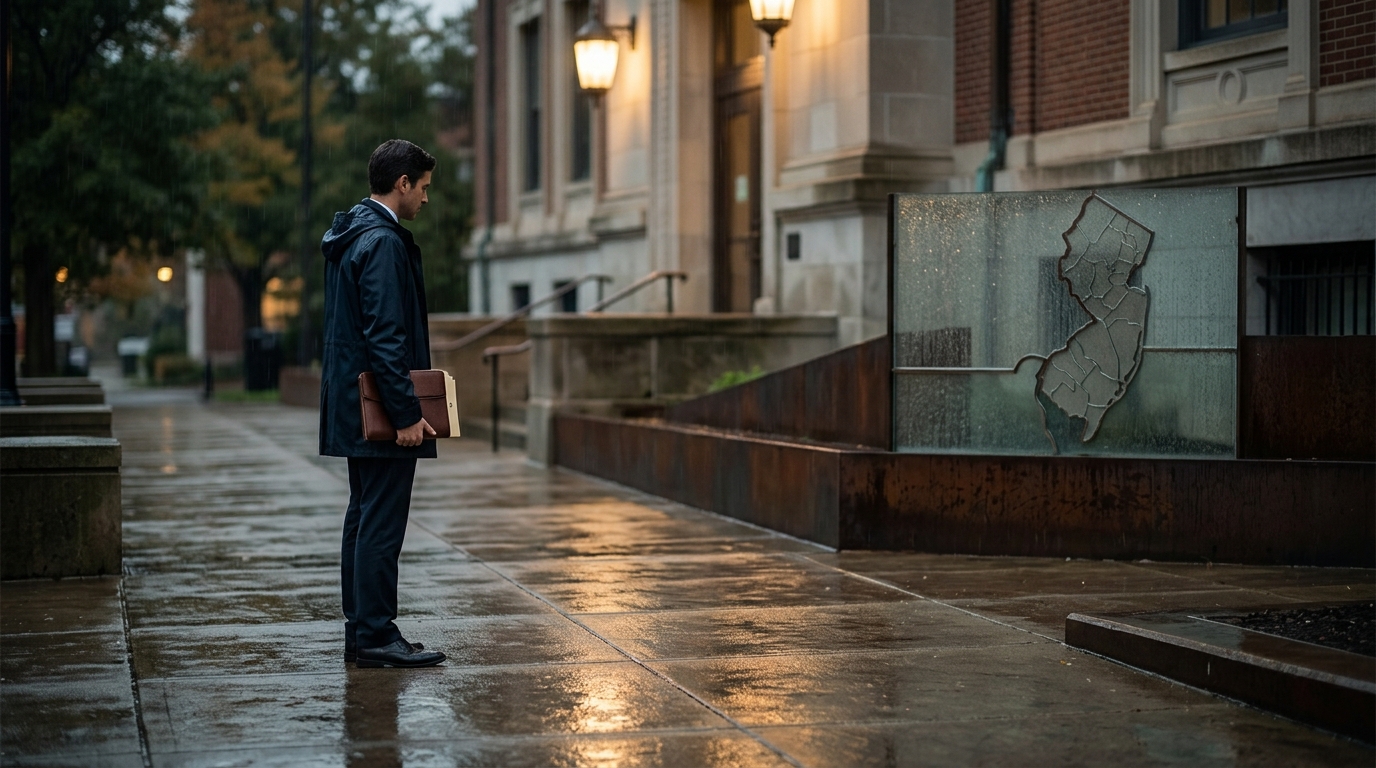
New Jersey criminal defense lawyers serve all 21 counties for municipal court cases. The state operates over 500 municipal courts, meaning your case location depends on where the alleged offense occurred. NJ Criminal Help provides defense representation across every county, ensuring local expertise regardless of your specific court assignment.
Understanding the Municipal Court System
New Jersey is unique in its judicial structure. Municipal court is the local trial court that handles disorderly persons offenses and traffic violations. Unlike Superior Court, which handles indictable crimes, municipal courts operate at the local level. There are more than 500 of these courts spread across the state. Each municipality, such as a city, town, or township, maintains its own court. This structure means that a lawyer must be familiar with the specific procedures of the local court where the case is filed.
Coverage Across All 21 Counties
Effective defense requires presence in the specific county where the charge was filed. NJ Criminal Help serves all 21 New Jersey counties. This includes urban centers like Essex County and rural areas like Sussex County. For example, a client in Atlantic County appears in courts such as Atlantic City or Egg Harbor Township. Local familiarity with prosecutors and judges in these specific venues is a critical component of a strong defense strategy.
Traffic and DWI Jurisdiction
Most municipal court cases involve traffic violations or Driving While Intoxicated (DWI) charges. DWI defense is a specialized area of law that requires understanding of local enforcement patterns. The DWI defense team handles cases in municipal courts statewide. For instance, a DWI arrest in Burlington County is heard in the local municipal court, not Superior Court. The penalties for these offenses are determined by state statute, but the procedural handling is local. Understanding the specific municipal court's rules is essential for challenging evidence or negotiating resolutions.
Criminal Offense Venue Rules
While many criminal cases go to Superior Court, disorderly persons offenses remain in municipal court. Disorderly persons offense is a minor criminal charge that carries a maximum penalty of six months in jail. These cases are heard in the municipal court of the jurisdiction where the act occurred. The criminal defense practice covers these matters in all 21 counties. For example, a disorderly persons charge in Camden County is handled in the local municipal court. The distinction between municipal and Superior Court jurisdiction is a fundamental concept in New Jersey law that affects how a case is prepared and argued.
Finding Local Representation
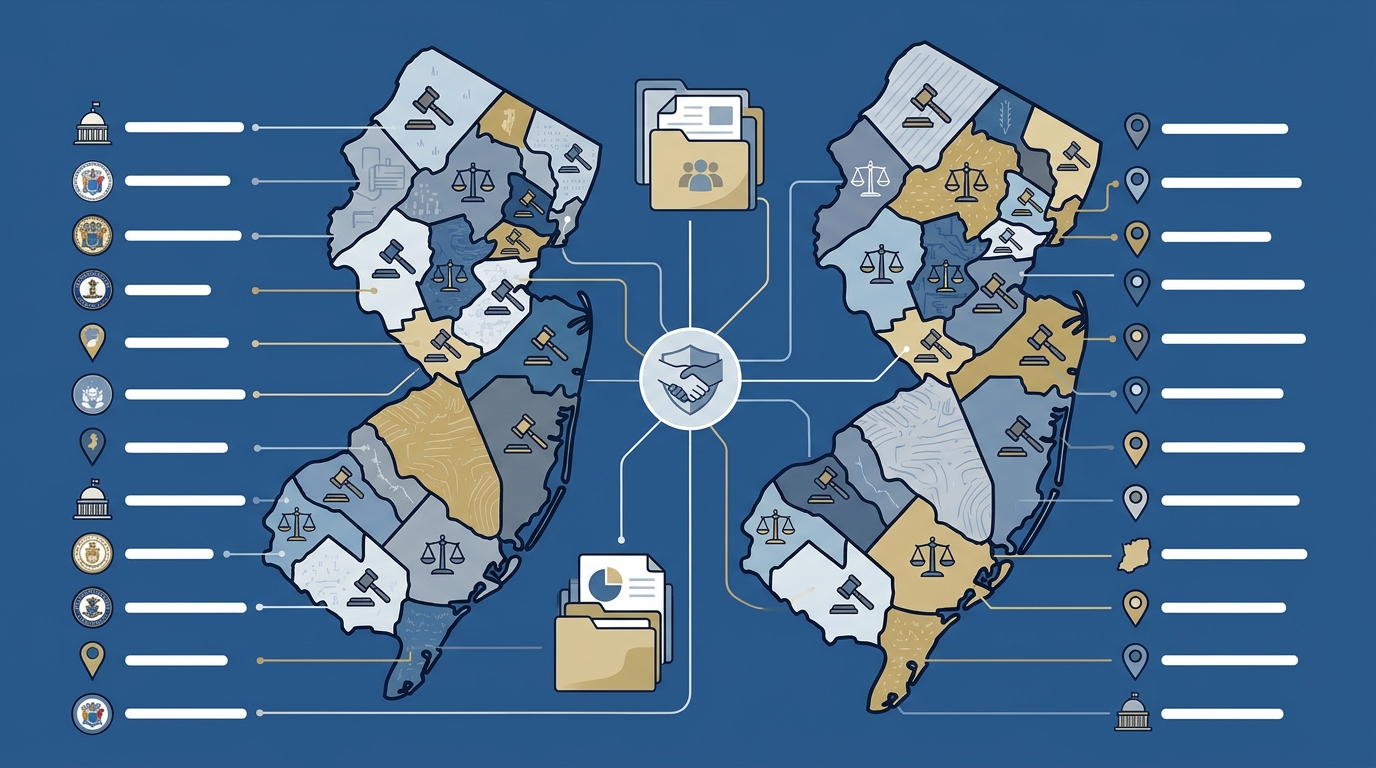
Choosing a lawyer who is active in your specific county is important for case management. NJ Criminal Help maintains a directory of municipal courts across the state. This resource helps clients understand where their case will be heard. For residents of Hudson County, the firm appears in courts like Jersey City and Bayonne. Local presence ensures that the attorney is familiar with the specific administrative and procedural nuances of the local court system. This familiarity can be a significant advantage in navigating the legal process.
Key Takeaways
- New Jersey has over 500 municipal courts across 21 counties.
- Municipal courts handle traffic violations and disorderly persons offenses.
- Effective defense requires local expertise in the specific county where the case is filed.
- DWI cases are heard in municipal courts, not Superior Court.
- Disorderly persons offenses are minor criminal charges handled locally.
- Representation by a lawyer active in your county is crucial for procedural familiarity.
- NJ Criminal Help provides coverage in all 21 New Jersey counties.
Frequently Asked Questions
What is the difference between municipal court and Superior Court?
Municipal court handles traffic violations and disorderly persons offenses, while Superior Court handles indictable crimes. Municipal court cases are heard at the local level in the municipality where the offense occurred. Superior Court cases are heard at the county level. The distinction determines the potential penalties and the procedural rules that apply to the case.
How many municipal courts are in New Jersey?
There are more than 500 municipal courts in New Jersey. Each city, town, and township operates its own municipal court. This decentralized structure means that legal procedures can vary slightly from one municipality to another. Familiarity with the specific local court is important for effective representation.
Where is my DWI case heard?
Your DWI case is heard in the municipal court of the jurisdiction where the arrest occurred. DWI is a traffic offense, not a criminal offense, so it does not go to Superior Court. The local municipal court handles the trial and sentencing. The penalties are determined by state law, but the local court administers the process.
Do I need a lawyer for a municipal court case?
While you have the right to represent yourself, hiring a lawyer is strongly recommended. Municipal court cases can result in fines, license suspensions, or jail time. A lawyer can challenge the evidence, negotiate with the prosecutor, and ensure your rights are protected. Local expertise is particularly valuable in these proceedings.
What is a disorderly persons offense?
A disorderly persons offense is a minor criminal charge in New Jersey. It carries a maximum penalty of six months in jail and a fine. These offenses are heard in municipal court. Examples include simple assault, petty theft, and disorderly conduct. They are distinct from indictable crimes, which are heard in Superior Court.
Does NJ Criminal Help serve all counties?
Yes, NJ Criminal Help serves all 21 counties in New Jersey. The firm appears in municipal courts and Superior Courts statewide. This comprehensive coverage ensures that clients have access to local expertise regardless of where their case is filed. The firm's team is familiar with the procedures in each county's courts.
Conclusion
Geographic coverage is a critical factor in selecting a criminal defense attorney in New Jersey. With over 500 municipal courts across 21 counties, local expertise is essential for a strong defense. NJ Criminal Help provides comprehensive representation in every county, ensuring that your case is handled by a lawyer familiar with your local court. To discuss your specific case and county, contact the firm for a free consultation.