

Pretrial Intervention (PTI) is a diversion program that allows eligible defendants to resolve criminal charges without a conviction. It is a critical tool for first-time offenders in New Jersey who want to protect their records. The Law Office of Edward Appel guides clients through the PTI application process to maximize their chances of acceptance.
1. Confirm Your Eligibility for the Program
Eligibility is the first and most critical filter for PTI acceptance. New Jersey law sets specific criteria for who can enter PTI. Generally, you must be a first-time offender with no prior criminal record. Certain serious offenses, such as violent crimes or specific drug charges, are often excluded from eligibility. An attorney can quickly review your history to determine if you qualify before you waste time applying.
2. Retain a Criminal Defense Attorney
Legal representation strengthens your application and protects your rights. While you can apply for PTI without a lawyer, having one is highly recommended. An attorney can negotiate with the prosecutor and present your case in the best possible light. The Law Office of Edward Appel has personally represented more than 15,000 clients in New Jersey courts since 1988. You can view the attorney profile to learn more about this experience.
3. Submit the PTI Application to the Prosecutor
The application is a formal request to the county prosecutor's office. Your attorney will prepare a PTI application packet for the prosecutor. This packet includes your background, the facts of the case, and a recommendation for diversion. The prosecutor reviews this packet to decide whether to accept, reject, or refer your case to the PTI administrator. Timing is important, as applications are typically due within a specific window after arraignment.
4. Attend the PTI Interview
The interview is a face-to-face assessment with the PTI administrator. If the prosecutor accepts your application, you will be scheduled for an interview with the PTI administrator. This is not a court hearing, but a formal meeting where you will be questioned about the incident and your background. You should be prepared to answer questions honestly and demonstrate remorse. Your attorney may be present to support you during this process.
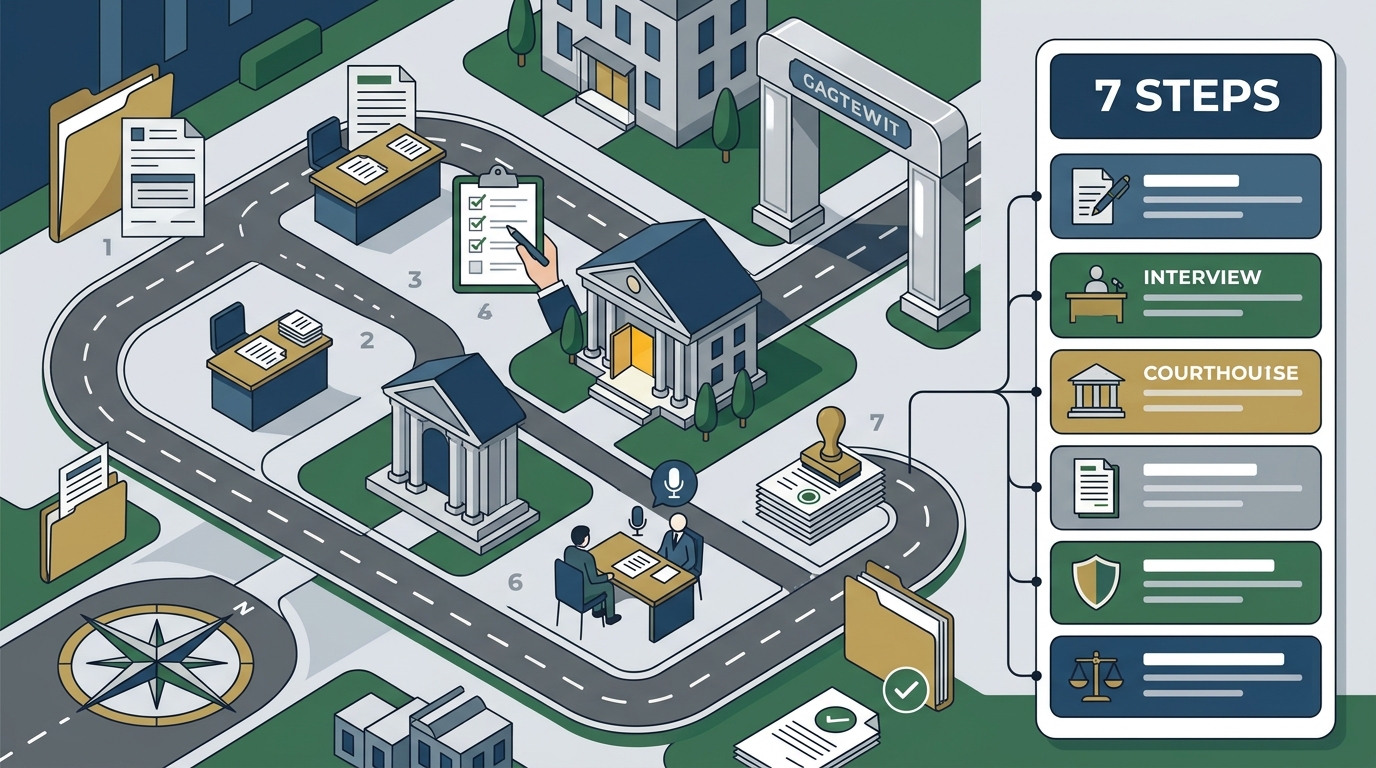
5. Undergo a Psychological Evaluation
A psychological evaluation is often required to assess your suitability. Many PTI applicants are required to complete a psychological evaluation. This assessment helps the administrator determine if you have any underlying issues that might affect your compliance. The results of this evaluation are part of the final decision on your PTI application. It is important to take this evaluation seriously and be truthful during the process.
6. Receive the PTI Decision
The PTI administrator makes the final decision on your application. After reviewing your application, interview, and evaluation, the PTI administrator will make a decision. If you are accepted, you will be placed on PTI for a period of one to three years. If you are rejected, you may have the right to appeal the decision to the court. Understanding the reasons for rejection is crucial for your next steps in the case.
7. Complete PTI Requirements for Dismissal
Choosing the Right Path for Your Case
PTI is not a one-size-fits-all solution. The right approach depends on your specific charges, criminal history, and the facts of your case. An experienced attorney can help you navigate the PTI process and protect your future. If you are facing criminal charges in New Jersey, it is important to act quickly and seek professional guidance.
Frequently Asked Questions
What is Pretrial Intervention (PTI)?
Pretrial Intervention is a diversion program that allows eligible defendants to resolve criminal charges without a conviction. It is designed for first-time offenders who are not a risk to the community.
Who is eligible for PTI in New Jersey?
Eligibility generally requires that you are a first-time offender with no prior criminal record. Certain serious offenses are excluded from PTI eligibility under New Jersey law.
Can I apply for PTI without a lawyer?
Yes, you can apply for PTI without a lawyer. However, having an attorney is highly recommended to strengthen your application and protect your rights.
What happens if my PTI application is rejected?
If your PTI application is rejected, you may have the right to appeal the decision to the court. Your attorney can help you understand the reasons for rejection and explore other options.
How long does PTI last?
PTI typically lasts for one to three years. The exact duration depends on the nature of your charges and the PTI administrator's decision.
What are the benefits of PTI?
The main benefit of PTI is that you can resolve your charges without a criminal conviction. This protects your record and can have a positive impact on your future employment and housing opportunities.