

Choosing the right New Jersey DUI attorney is the single most effective step to protect your driving privileges after a first offense. The Law Office of Edward Appel focuses on challenging the underlying DWI charge and managing the Motor Vehicle Commission (MVC) process to minimize or avoid suspension. This guide explains how legal strategy, ignition interlock compliance, and early evidence preservation work together to keep you on the road.
Understanding the NJ DUI Process
New Jersey treats driving under the influence (DUI/DWI) as a motor vehicle offense prosecuted in municipal court, not as a felony or misdemeanor crime. This distinction is critical because it changes how penalties are imposed and how you can fight them. The state must prove beyond a reasonable doubt that you operated a vehicle while impaired or with a prohibited alcohol concentration. DUI defense in New Jersey requires understanding both the criminal proceeding and the administrative licensing consequences.
When you are arrested for a first-offense DUI, two parallel processes may affect your ability to drive. Municipal court adjudicates the DWI charge under N.J.S.A. 39:4-50, while the Motor Vehicle Commission (MVC) administers licensing consequences and ignition interlock compliance. There is no automatic, pre-conviction MVC suspension based solely on a DWI arrest in most cases, but other MVC issues can still interrupt your driving privileges before the court case ends. This dual-track system means that a skilled attorney must manage both fronts simultaneously to protect your license.
Ignition Interlock Devices
An ignition interlock device (IID) is a breathalyzer installed in your vehicle that prevents the engine from starting if your breath alcohol concentration exceeds a preset limit. In New Jersey, ignition interlock requirements are central to post-conviction driving for first-offense DUI cases. The court imposes these conditions under statute, and the MVC administers license records and compliance. The length and terms of the interlock requirement can vary based on your blood alcohol concentration (BAC) and case-specific facts.
How Interlock Requirements Work
For a first offense, the court may require an ignition interlock device for a specific period, often ranging from several months to a year or more depending on the BAC level. If a refusal to submit to breath testing is alleged, additional and separate penalties may apply under New Jersey law, which can also include ignition interlock obligations. Understanding these requirements is essential because noncompliance can lead to further license restrictions or legal consequences. Planning for interlock compliance early helps you maintain driving privileges while your case is pending or after conviction.
Choosing and Installing an IID
New Jersey drivers must install an ignition interlock device from an approved vendor. The device requires regular calibration and maintenance, and you must comply with all usage protocols to avoid violations. Failure to comply with interlock requirements can result in additional penalties or extended suspension periods. A knowledgeable DUI attorney can guide you through the installation process, help you understand the technical requirements, and ensure that you meet all compliance deadlines. This proactive approach helps minimize the impact of the interlock requirement on your daily life and driving privileges.
License Suspension Mitigation
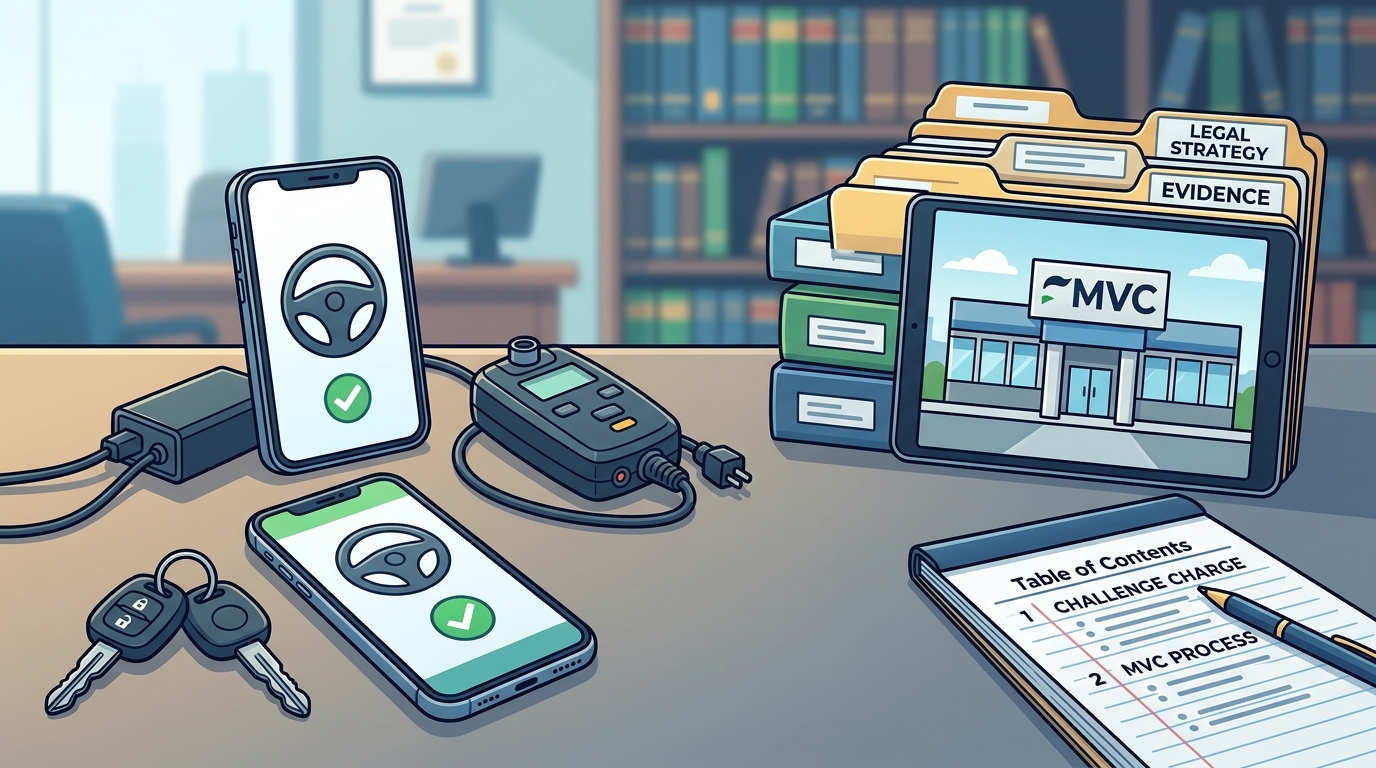
License suspension mitigation involves legal strategies aimed at reducing or avoiding the loss of your driving privileges after a first-offense DUI. In New Jersey, DWI-related license consequences are imposed by the court rather than through a separate DMV hearing, which means that challenging the underlying charge is the primary way to protect your license. Acting quickly to preserve evidence and address ignition interlock eligibility and timing is crucial for a successful mitigation strategy.
Challenging the Underlying Charge
The most effective way to avoid license suspension is to challenge the DWI charge itself. A skilled attorney can scrutinize the traffic stop, field sobriety tests, and chemical test results to identify procedural errors or constitutional violations. For example, if the officer did not have reasonable suspicion for the stop or probable cause for the arrest, the evidence may be suppressed. Similarly, if the Alcotest device was not properly calibrated or if the required observation period was not followed, the breath test results may be unreliable. By challenging the strength of the state's case, an attorney can negotiate a reduced charge or dismissal, which directly impacts the license consequences.
Negotiating Penalties and Conditions
Even if the DWI charge is not dismissed, an attorney can negotiate the penalties and conditions imposed by the court. This includes negotiating the length of the ignition interlock requirement, the amount of fines, and any alcohol education programs. In some cases, an attorney may be able to negotiate a deferred disposition or conditional discharge, which allows you to avoid a conviction and its associated license consequences if you meet certain conditions. These negotiations require a deep understanding of New Jersey municipal court practices and the specific facts of your case. A dedicated DUI attorney can leverage their experience to secure the most favorable outcome possible.
Attorney Selection Criteria
Selecting the right New Jersey DUI attorney is critical to protecting your license after a first offense. Not all criminal defense lawyers specialize in DUI cases, and the nuances of New Jersey's municipal court system and MVC regulations require specific expertise. When evaluating potential attorneys, consider their experience with first-offense DUI cases, their familiarity with ignition interlock requirements, and their track record in challenging chemical test results.
Experience and Specialization
Look for an attorney who has dedicated their practice to DUI defense and has extensive experience in New Jersey municipal courts. The Law Office of Edward Appel, for example, has over 35 years of dedicated legal experience and has personally represented more than 15,000 clients since 1988. This level of experience ensures that your attorney is well-versed in the latest legal developments, court practices, and defense strategies. Specialization in DUI defense means that your attorney is up-to-date on changes in New Jersey's DUI laws, ignition interlock regulations, and MVC procedures, which can make a significant difference in the outcome of your case.
Communication and Strategy
Effective communication is essential when working with a DUI attorney. You need an attorney who will keep you informed about the progress of your case, explain complex legal concepts in plain language, and provide clear guidance on your options. The Law Office of Edward Appel is known for its direct communication style and focus on practical outcomes. Whether negotiating charge reductions, litigating suppression motions, or navigating collateral issues such as license suspensions, the firm prioritizes transparency and client understanding. This approach helps you make informed decisions and reduces the stress associated with a DUI charge.
Key Takeaways
- New Jersey treats DUI as a motor vehicle offense in municipal court, not a felony, but the consequences can still be severe.
- Ignition interlock devices are a central component of first-offense DUI penalties in New Jersey.
- License suspension mitigation often involves challenging the underlying DWI charge rather than fighting the MVC directly.
- Early action to preserve evidence, such as video and Alcotest records, is critical for a successful defense.
- Choosing an attorney with specialized DUI experience and a strong track record in New Jersey municipal courts is essential.
- Noncompliance with ignition interlock requirements can lead to additional penalties or extended suspension.
- Negotiating penalties and conditions, such as interlock duration and fines, can significantly impact your driving privileges.
- The Law Office of Edward Appel offers over 35 years of experience in DUI defense and criminal law in New Jersey.
Frequently Asked Questions
Can I avoid license suspension after a first DUI in New Jersey?
Yes, it is possible to avoid or reduce license suspension after a first DUI in New Jersey by challenging the underlying DWI charge. A skilled attorney can identify procedural errors in the stop, arrest, or testing process, which may lead to a reduced charge or dismissal. This directly impacts the license consequences imposed by the court.
What is an ignition interlock device and why is it required?
An ignition interlock device is a breathalyzer installed in your vehicle that prevents the engine from starting if your breath alcohol concentration exceeds a preset limit. It is required in New Jersey for many first-offense DUI convictions as a condition of restoring or maintaining driving privileges. Compliance with the device is monitored by the MVC.
How long do I have to use an ignition interlock device?
The length of the ignition interlock requirement varies based on your blood alcohol concentration (BAC) and case-specific facts. For a first offense, it can range from several months to a year or more. An attorney can help you understand the specific requirements for your case and negotiate the terms where possible.
Does a DUI conviction stay on my record in New Jersey?
New Jersey DWI/DUI offenses are handled in municipal court and are generally not eligible for expungement because they are motor vehicle offenses, not crimes. This means that a conviction may remain on your driving record and can have long-term implications for insurance and employment.
What should I do immediately after a DUI arrest?
Immediately after a DUI arrest, you should consult a New Jersey DUI attorney to assess the stop, arrest, testing, and case strategy. Request and review discovery, such as body-worn camera footage and Alcotest records, and track any MVC notices. Do not miss court or MVC deadlines, and avoid discussing your case on social media.
How does the Law Office of Edward Appel help with DUI cases?
The Law Office of Edward Appel represents clients across New Jersey in DUI and criminal defense matters. The firm focuses on thorough preparation, careful review of the facts, and a commitment to practical solutions grounded in New Jersey law. With over 35 years of experience, the firm helps clients understand the process, evaluate options, and move forward with confidence.
Can I drive while my DUI case is pending?
Whether you can drive while your DUI case is pending depends on the specific circumstances and any court orders. In some cases, you may be required to install an ignition interlock device or face a temporary suspension. An attorney can help you understand your driving privileges and ensure that you comply with any court-imposed conditions.
What are the penalties for a first-offense DUI in New Jersey?
First-offense DUI penalties in New Jersey can include fines, court assessments, motor vehicle surcharges, ignition interlock requirements, alcohol education, and consequences for your driving privileges. Outcomes vary based on factors such as BAC level, any alleged refusal to submit to breath testing, and whether there was an accident or injuries.
Conclusion
Protecting your license after a first-offense DUI in New Jersey requires a strategic approach that addresses both the criminal charge and the administrative licensing consequences. By understanding the role of ignition interlock devices and the importance of challenging the underlying DWI charge, you can take meaningful steps to minimize the impact on your driving privileges. The Law Office of Edward Appel brings over 35 years of experience to your case, offering thorough preparation, clear communication, and practical solutions grounded in New Jersey law. If you are facing a DUI charge, for a confidential consultation and immediate next steps.