

Facing criminal charges for the first time is a disorienting experience that can feel overwhelming. The uncertainty of the legal process often causes more stress than the charges themselves. Understanding the typical outcomes for first-time offenders in New Jersey is crucial for making informed decisions about your defense strategy. This guide breaks down the legal landscape, potential penalties, and the critical role of experienced representation in shaping your case outcome.
Understanding the Legal Process
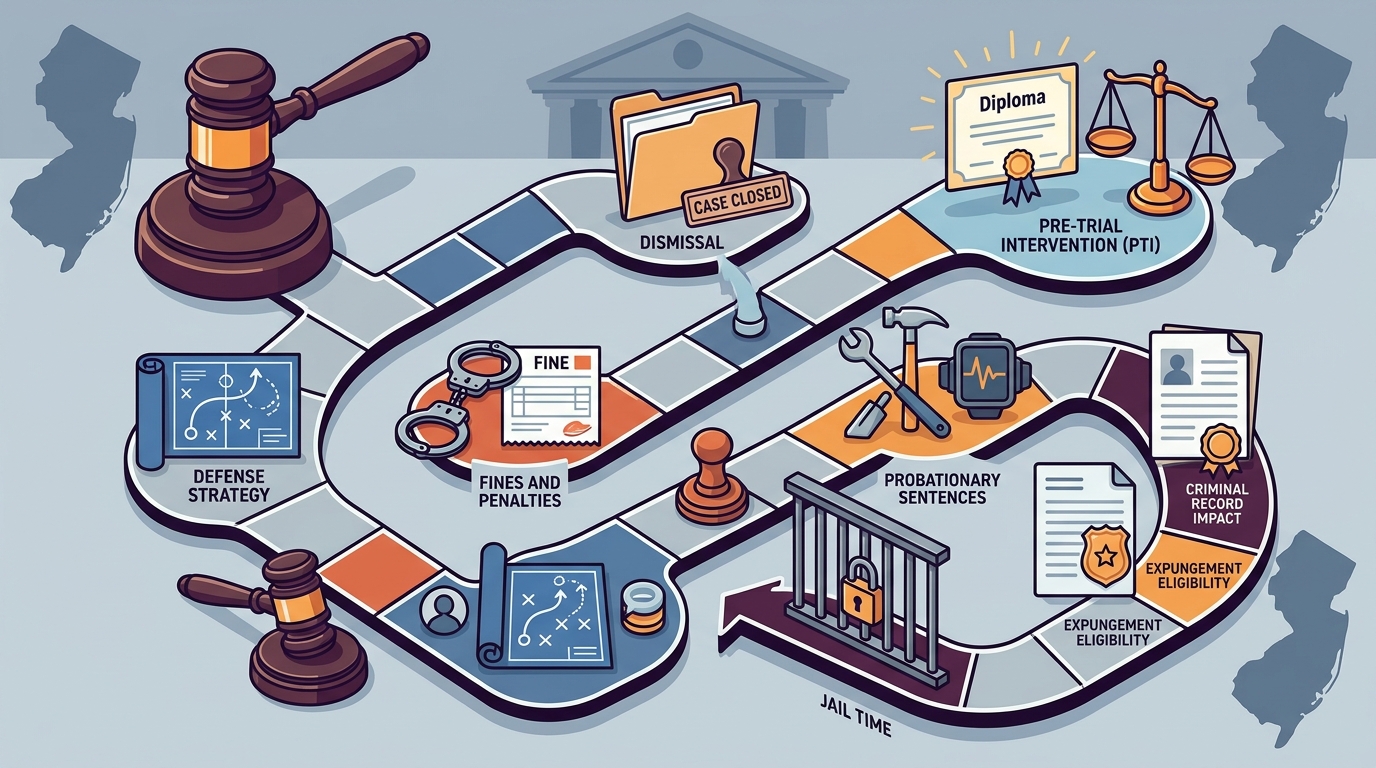
When you are arrested or charged with a crime in New Jersey, the journey through the justice system follows a specific path. First-time defendants often face a steep learning curve regarding court procedures, evidence disclosure, and negotiation tactics. The initial stages involve arraignment, where bail or release conditions are set, followed by pre-trial negotiations or discovery.
New Jersey’s criminal justice system emphasizes both punishment and rehabilitation, particularly for those with no prior record. However, the severity of the charge plays a significant role in determining the trajectory of your case. Whether you are facing a municipal violation or a superior court felony, the stakes are high. A New Jersey criminal defense attorney can help you navigate these complexities from day one.
The legal landscape in New Jersey is governed by strict statutes and local court rules. According to recent legal analyses, the majority of criminal cases in New Jersey are resolved through plea negotiations rather than going to trial. This statistic highlights the importance of having a skilled negotiator who understands the local prosecutors and judges. New Jersey Courts provide resources for understanding these procedures, but professional guidance is essential for interpreting how they apply to your specific situation.
Potential Outcomes for First-Time Offenders
The outcome of a criminal case depends on numerous variables, including the nature of the offense, the strength of the evidence, and the defendant’s background. For first-time offenders, the system often offers more leniency than for repeat offenders. Below is a summary of common outcomes based on charge severity.
| Charge Type | Potential Outcome | Key Considerations |
|---|---|---|
| DUI/DWI Offenses | Fines, License Suspension, Ignition Interlock | First-time penalties vary by BAC level; possible diversion for low-level offenses. |
| Drug Possession | Probation, Treatment Programs, or Jail Time | Intent to distribute charges carry heavier penalties than simple possession. |
| Misdemeanors (Disorderly Persons) | Fines, Community Service, Probation | Often eligible for conditional discharge or expungement after completion. |
| Felonies (Indictable Crimes) | Prison Time, Heavy Fines, Probation | First-time felony offenders may qualify for special intervention programs. |
It is important to note that a criminal conviction can have long-lasting effects on your employment, housing, and professional licensing. Therefore, the goal of your defense should be to minimize these collateral consequences. ACLU reports indicate that criminal records can significantly reduce employment opportunities, making early intervention critical.
Mitigating Factors and Diversion Programs
New Jersey offers several diversion programs designed to help first-time offenders avoid a permanent criminal record. These programs are typically available for non-violent offenses and require the defendant to meet specific conditions, such as completing community service or attending counseling.
One such program is the Conditional Discharge, which allows eligible defendants to have their charges dismissed after successfully completing a period of probation. Another option is the Pre-Trial Intervention (PTI) program, which is available for indictable crimes. PTI is a rigorous program that requires strict adherence to rules and regular check-ins with a probation officer.
For DUI cases, first-time offenders may be eligible for the Ignition Interlock Device program, which allows them to drive with restrictions rather than facing a full license suspension. Understanding these options is vital, as they can significantly alter the outcome of your case. A qualified attorney can evaluate your eligibility for these programs and advocate for your inclusion.
The success rate of these programs is high when defendants comply with all requirements. According to data from the New Jersey Motor Vehicle Commission, compliance with interlock programs can lead to the restoration of driving privileges sooner than standard suspensions. This highlights the importance of choosing the right defense strategy early in the process.
The Importance of Experienced Counsel
While it is possible to represent yourself in criminal court, it is rarely advisable, especially for first-time defendants. The legal system is complex, and prosecutors are experienced in securing convictions. An experienced defense attorney can identify weaknesses in the prosecution’s case, challenge illegal searches, and negotiate favorable plea deals.
Edward Appel, a seasoned criminal defense lawyer in New Jersey, emphasizes the importance of personalized attention in every case. He has represented thousands of clients, helping them navigate the complexities of the justice system. His approach involves meticulous preparation and a deep understanding of local court practices.
Having a dedicated attorney ensures that your rights are protected at every stage of the process. From the initial arrest to the final disposition, your lawyer acts as your advocate, ensuring that you are treated fairly and that the law is applied correctly. The American Bar Association stresses that effective assistance of counsel is a fundamental right that significantly impacts case outcomes.
Furthermore, an attorney can help you understand the collateral consequences of a conviction, such as immigration status, professional licensing, and firearm rights. These issues are often overlooked by those without legal expertise but can have devastating long-term effects. Seeking professional guidance early can prevent these pitfalls.
Key Takeaways
- First-time offenders in New Jersey often have access to diversion programs like PTI and Conditional Discharge.
- DUI penalties for first-time offenders include fines, license suspension, and ignition interlock requirements.
- A criminal conviction can impact employment, housing, and professional licensing opportunities.
- Experienced legal counsel can identify weaknesses in the prosecution’s case and negotiate favorable outcomes.
- Diversion programs require strict compliance with court-ordered conditions to achieve dismissal of charges.
- Early intervention is critical to protecting your rights and minimizing collateral consequences.
- Edward Appel has over 35 years of experience in New Jersey criminal defense.
Frequently Asked Questions
What is the typical sentence for a first-time DUI in New Jersey?
First-time DUI offenders in New Jersey typically face fines ranging from $300 to $500, a license suspension of three to nine months, and mandatory installation of an ignition interlock device. Jail time is possible but less common for first-time offenders with no aggravating factors.
Can a first-time criminal defendant avoid a conviction?
Yes, first-time defendants may be eligible for diversion programs such as Pre-Trial Intervention (PTI) or Conditional Discharge. Successful completion of these programs can result in the dismissal of charges and the avoidance of a permanent criminal record.
What is Pre-Trial Intervention (PTI)?
Pre-Trial Intervention (PTI) is a program for first-time offenders charged with indictable crimes. It allows participants to avoid trial and potential conviction by completing a period of supervision and meeting specific requirements, such as community service and counseling.
How long does a criminal case take in New Jersey?
The duration of a criminal case varies widely depending on the complexity of the charges, court schedules, and negotiation processes. Simple municipal cases may be resolved in a few months, while complex felony cases can take over a year.
What are the collateral consequences of a criminal conviction?
Collateral consequences include difficulty finding employment, loss of professional licenses, immigration issues, and restrictions on firearm ownership. These consequences can persist long after the legal penalties are served.
Do I need a lawyer for a first-time offense?
While not legally required, having a lawyer is highly recommended. An experienced attorney can help you understand your options, negotiate with prosecutors, and protect your rights throughout the process.
What is the difference between a disorderly persons offense and an indictable crime?
A disorderly persons offense is a misdemeanor-level charge handled in municipal court, while an indictable crime is a felony-level charge handled in superior court. Indictable crimes carry more severe penalties and require different procedural protections.
Take Control of Your Future
Do not face the complexities of the New Jersey criminal justice system alone. The outcome of your case can have lasting effects on your life, career, and freedom. Contact the Law Office of Edward Appel today to schedule a consultation and learn how we can help you achieve the best possible outcome.
Click here to contact us or call 856-856-2373 for a free consultation. Our team is dedicated to providing aggressive and compassionate representation for first-time offenders across New Jersey.