

Disorderly persons offenses are minor criminal matters handled in New Jersey municipal courts, distinct from indictable crimes in Superior Court. They carry lower penalties but still require careful legal strategy to protect your record and rights. The Law Office of Edward Appel provides guidance on these cases, ensuring you understand the process and potential outcomes.
Understanding the Classification of Offenses
New Jersey law divides criminal offenses into two main categories: indictable crimes and disorderly persons offenses. Disorderly persons offenses is the term for minor crimes that do not require a grand jury indictment. These cases are heard in municipal court, which is a separate system from the state's Superior Court. The classification determines where your case is heard and what penalties are possible. For example, a simple assault charge is typically a disorderly persons offense, while aggravated assault is an indictable crime.
The Municipal Court Process
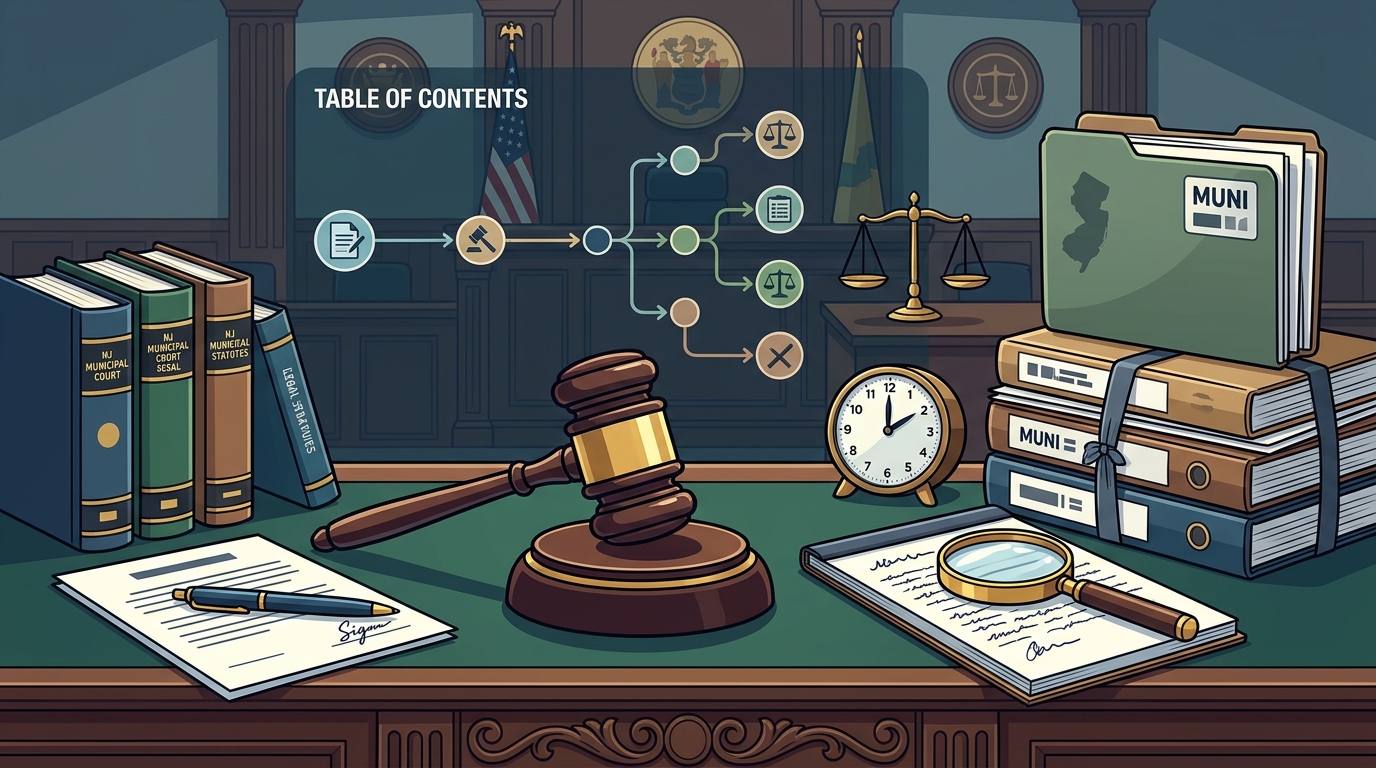
Municipal court handles disorderly persons offenses with a streamlined procedure. The process begins with an arraignment, where you enter a plea. If you plead not guilty, the case proceeds to a trial before a municipal judge. Unlike Superior Court, there is no jury trial for disorderly persons offenses; the judge decides the facts and the law. This process is generally faster, with trials often scheduled within a few months of the initial charge. Understanding this timeline is crucial for preparing your defense.
Penalties and Consequences
Defense Strategies and Options
Effective defense strategies in municipal court focus on challenging the evidence and seeking alternative resolutions. Common defenses include lack of intent, alibi, or procedural errors in the arrest or charging process. Additionally, New Jersey offers diversion programs such as Pre-Trial Intervention (PTI) and Conditional Discharge for eligible defendants. These programs allow you to complete a period of probation without a conviction, effectively keeping your record clean. The Law Office of Edward Appel evaluates each case to determine if diversion is a viable option, considering factors like your criminal history and the nature of the offense.
Practical Steps After a Charge
After being charged with a disorderly persons offense, take immediate steps to protect your interests. First, do not discuss the incident with anyone other than your attorney. Second, gather any evidence that supports your version of events, such as witness contacts or video footage. Third, attend all court dates; failing to appear can result in a bench warrant. Consulting with a criminal defense attorney early in the process is critical. The Law Office of Edward Appel offers free consultations to help you understand your options and build a strong defense strategy from the start.
Key Takeaways
- Disorderly persons offenses are minor crimes heard in municipal court, not Superior Court.
- There are no jury trials for these offenses; a municipal judge decides the case.
- Diversion programs like PTI can help avoid a conviction for eligible defendants.
- A criminal record from a disorderly persons offense can impact employment and housing.
- Consulting an attorney early is essential for exploring defenses and diversion options.
Frequently Asked Questions
What is the difference between a disorderly persons offense and an indictable crime?
Disorderly persons offenses are minor crimes heard in municipal court, while indictable crimes are more serious offenses heard in Superior Court. The former carries lower penalties and does not require a grand jury indictment.
Can I get a jury trial for a disorderly persons offense?
No, New Jersey law does not provide for jury trials in disorderly persons cases. A municipal judge hears the evidence and renders a verdict.
What are the maximum penalties for a disorderly persons offense?
Will a disorderly persons conviction stay on my record?
Yes, a conviction results in a criminal record. However, diversion programs like PTI or Conditional Discharge can lead to a dismissal, keeping your record clean.
How long does a municipal court case take?
Municipal court cases are generally faster than Superior Court cases. Trials are often scheduled within a few months of the initial charge, depending on the court's docket.
Can I represent myself in municipal court?
While you have the right to self-representation, it is strongly advised to consult with an attorney. Legal procedures and defenses can be complex, and an attorney can help protect your rights.
Conclusion
Navigating disorderly persons offenses in New Jersey municipal court requires knowledge of the specific legal procedures and potential consequences. The Law Office of Edward Appel has represented clients in municipal and Superior Courts across New Jersey since 1988, providing the expertise needed to protect your rights. If you are facing a charge, for a free consultation to discuss your case and explore your options.