

Expungement in New Jersey is not merely a legal formality; it is a statutory mechanism for erasing criminal history from public view. According to recent legal analyses, the implementation of the Criminal Justice Reform Act has significantly expanded access to record relief for thousands of residents annually. This guide outlines the precise procedural steps required to navigate the New Jersey court system effectively. Understanding these requirements is critical for anyone seeking to remove the stigma of a past conviction from their background check.
Understanding Eligibility and Waiting Periods
The first step in the expungement process is determining whether your specific criminal history qualifies for relief under New Jersey law. The state utilizes a point-based system to evaluate eligibility, which can be complex for laypersons to interpret accurately. Generally, eligibility depends on the severity of the offense and the time elapsed since the completion of your sentence.
For most disorderly persons offenses and petty disorderly persons offenses, the waiting period is typically three years from the date of sentencing or parole. However, the timeline shifts dramatically for more serious indictable crimes. A fourth-degree crime, such as certain theft or drug possession charges, usually requires a seven-year waiting period. More severe third-degree crimes may require a ten-year wait. It is crucial to note that the clock starts ticking from the date of sentencing or the date of parole, whichever is later.
Some offenses are completely ineligible for expungement. These include serious violent crimes, sexual offenses, and certain drug distribution charges. If your record includes any of these disqualifying factors, you may need to explore alternative legal remedies. For a detailed breakdown of which crimes are eligible, you can review the legal blog resources provided by experienced practitioners.
Gathering Required Documentation
Once you have confirmed your eligibility, the next phase involves compiling a robust packet of documentation. The court requires proof that you have satisfied all financial and legal obligations associated with your conviction. This includes proof of payment for fines, restitution, and court costs.
You will also need to obtain a certified copy of your criminal history from the New Jersey State Police. This document serves as the baseline for your petition and must be accurate. Additionally, you must gather proof of your completion of any probation or parole terms. If you were required to complete a specific treatment program, such as alcohol education or anger management, you must provide certificates of completion.
Failure to provide complete documentation is a common reason for petition denial. Ensure that every document is current and clearly legible. If you are unsure how to obtain these records, consulting with a legal professional can save significant time. The attorney profile of Edward G. Appel highlights his extensive experience in navigating these exact procedural hurdles.
Drafting and Filing the Petition
The core of the expungement process is the filing of a formal petition. This document must be filed in the Superior Court of New Jersey, Law Division, in the county where your conviction occurred. The petition must include specific details about your criminal history, the offenses for which you seek expungement, and the reasons why expungement is in the interest of justice.
New Jersey law requires that the petition be notarized. You must also pay the filing fee, although fee waivers are available for indigent applicants. The petition itself is a legal instrument that requires precise language. Ambiguities in the petition can lead to delays or requests for clarification from the court.
It is highly advisable to have the petition reviewed by an attorney before filing. A well-drafted petition anticipates potential objections from the prosecutor and addresses them proactively. For guidance on the specific forms required, you can visit the contact page to speak with a legal team familiar with local court requirements.
Serving Notice to the Prosecutor
After filing the petition, you must serve notice to the appropriate prosecutor's office. In New Jersey, this is typically the County Prosecutor's Office for the county where the conviction occurred. The prosecutor has the right to review your petition and object to the expungement if they believe it is not in the public interest.
Service is usually accomplished through certified mail or by a process server. You must file proof of service with the court to demonstrate that the prosecutor has been properly notified. The prosecutor then has a statutory period, often 45 days, to respond. They may file an objection, a consent, or no response at all.
If the prosecutor objects, the burden shifts to you to prove at a hearing that expungement is warranted. Common objections include concerns about public safety or the nature of the original offense. Understanding how to counter these objections is vital. The DUI defense resources often touch on the collateral consequences that expungement can help mitigate.
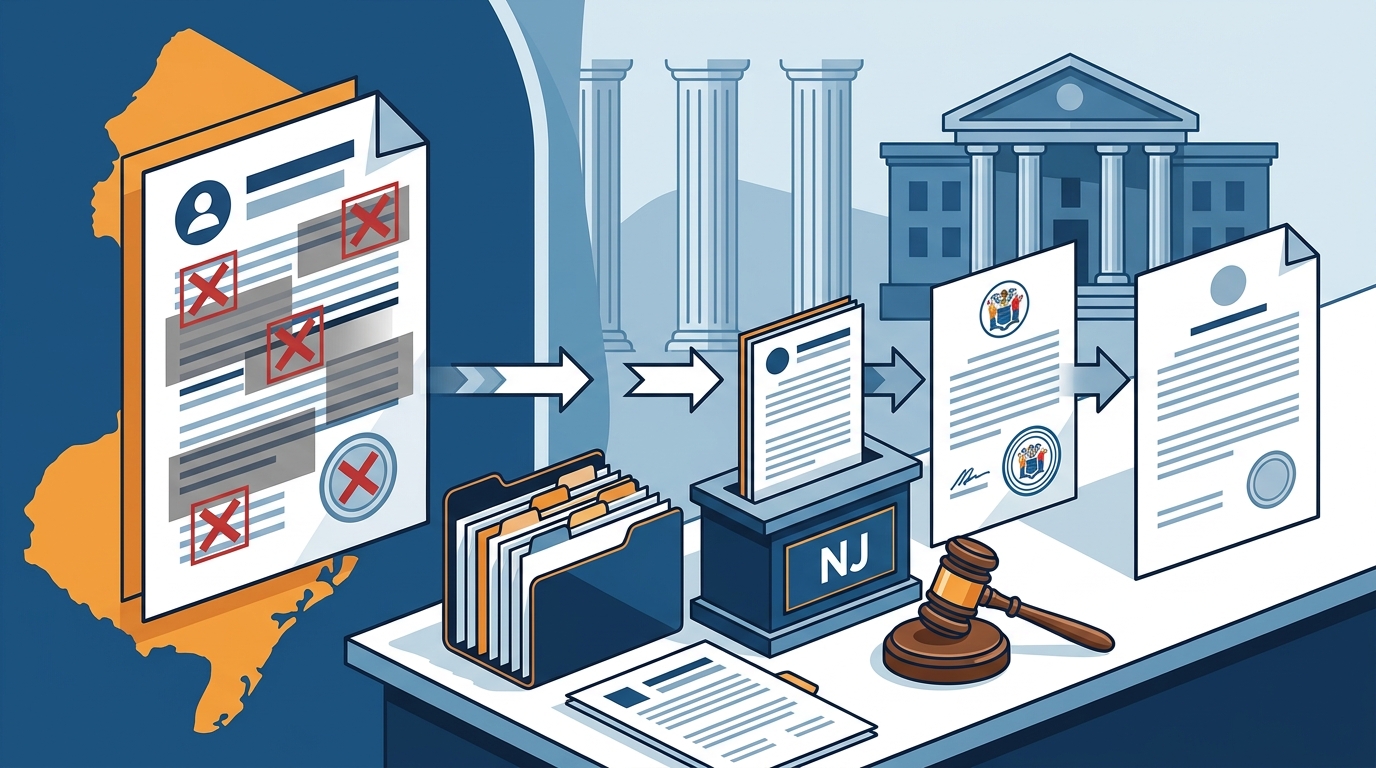
The Hearing and Judicial Decision
If the prosecutor does not consent to the expungement, or if they object, a hearing will be scheduled. At this hearing, you may present evidence and testimony to support your petition. This is your opportunity to demonstrate rehabilitation, community involvement, and steady employment.
The judge will weigh the interests of the petitioner against the public interest. Factors considered include the nature of the crime, the time elapsed since the offense, and your conduct since the conviction. If the judge grants the expungement, the court will issue an order directing all relevant agencies to seal or destroy their records.
This process can take several months from filing to final decision. Patience and persistence are essential. For those seeking a deeper understanding of the legal standards applied in these hearings, the Law Office of Edward Appel provides comprehensive legal services tailored to these complex motions.
Expungement vs. Pardons in New Jersey
It is important to distinguish between expungement and a pardon. While both offer relief, they function differently. Expungement seals or destroys records, making them inaccessible to most background checks. A pardon, granted by the Governor, forgives the offense but does not necessarily erase the record.
| Feature | Expungement | Pardon |
|---|---|---|
| Record Visibility | Sealed or Destroyed | Remains on Record |
| Granting Authority | Superior Court Judge | State Governor |
| Eligibility | Statutory Waiting Periods | Discretionary |
| Impact on Background Checks | Mostly Negative | Positive Signal |
Expungement is generally the preferred route for most individuals seeking to move forward with their lives. It provides a cleaner slate for employment and housing applications. For more information on the differences, you can explore the legal resources available on the firm's website.
Key Takeaways for Applicants
- Eligibility depends on the severity of the offense and the time elapsed since sentencing.
- Disorderly persons offenses typically require a three-year waiting period.
- Fourth-degree crimes generally require a seven-year waiting period.
- You must provide proof of payment for all fines and restitution.
- The prosecutor has the right to object to your petition.
- A hearing may be required if the prosecutor objects.
- Expungement seals records, while a pardon forgives the offense but leaves the record visible.
Frequently Asked Questions
How long does the expungement process take?
The process typically takes between six to twelve months from filing to final decision, depending on court backlogs and whether a hearing is required.
Can I apply for expungement if I have multiple convictions?
Yes, but the rules are stricter. You must wait ten years from the date of your most recent conviction or parole, and you must not have any indictable crimes on your record.
Does expungement remove my record from all databases?
Expungement requires agencies to seal or destroy records. However, some federal agencies may retain access under specific circumstances.
Do I need a lawyer to file for expungement?
While not legally required, having an attorney significantly increases the likelihood of a successful outcome by ensuring proper documentation and legal arguments.
What is the cost of expungement in New Jersey?
Filing fees apply, but they can be waived for indigent applicants. Attorney fees vary based on the complexity of the case.
Can I expunge a DUI conviction in New Jersey?
Generally, no. DUI convictions are not eligible for expungement under current New Jersey law, though they may be sealed in some limited contexts.
What happens after the judge grants expungement?
The court issues an order directing agencies to seal or destroy records. You should verify that your background check reflects this change.
Secure Your Future Today
Navigating the complexities of New Jersey expungement law requires precision and expertise. Do not leave your future to chance. Contact the Law Office of Edward Appel today to schedule a consultation and take the first step toward clearing your record. Visit our contact page to speak with a dedicated legal team ready to advocate for your rights.