

Facing criminal charges in New Jersey is a high-stakes situation that demands immediate, strategic legal intervention. According to recent municipal court data, over 100,000 criminal cases are filed annually in the Garden State, creating a saturated market of legal service providers. This volume makes finding a qualified attorney critical, as the difference between a seasoned trial lawyer and a generalist can determine the outcome of your freedom and future. The following guide outlines the precise steps to identify, vet, and retain counsel who can effectively navigate the complexities of New Jersey’s criminal justice system.
Understand Your Specific Charges
The first step in your search is to categorize the severity and nature of your legal trouble. New Jersey law distinguishes clearly between municipal ordinance violations, disorderly persons offenses, and indictable crimes. Each category requires a different level of legal expertise and carries distinct penalties.
For instance, a DUI/DWI charge involves specific statutory requirements regarding breathalyzer calibration and field sobriety tests. A criminal defense lawyer in New Jersey who specializes in traffic and DUI matters will understand the nuances of the Alcotest 7110 results and the potential for license suspension. Conversely, a charge involving drug possession or domestic violence requires an attorney familiar with superior court procedures and the strict sentencing guidelines imposed by the state.
Understanding your charge allows you to filter your search effectively. You do not need a corporate litigation expert for a municipal court matter, nor do you want a traffic specialist for a complex white-collar crime. Matching the lawyer’s practice area to your specific charge is the foundation of effective representation.
Verify Specialization and Board Certification
Not all attorneys are created equal. In New Jersey, the Supreme Court recognizes specific board certifications that denote a higher level of expertise. When searching for counsel, prioritize attorneys who hold the Criminal Trial Attorney Certification or the Family Law Certification if your case involves domestic relations intersections.
Board certification requires attorneys to demonstrate substantial involvement in criminal defense, pass a rigorous peer review, and complete continuing legal education. This credential serves as a reliable filter for quality. For example, an attorney who is board certified in criminal trial advocacy has proven their ability to handle complex litigation, not just negotiate plea deals.
Additionally, look for attorneys who are active members of specialized organizations. Membership in the Association of Criminal Defense Lawyers of New Jersey (ACDL-NJ) indicates a commitment to professional standards and ethical advocacy. These organizations often provide resources and training that keep attorneys updated on the latest legal precedents and statutory changes.
Evaluate Trial Experience and Track Record
Many criminal defense lawyers market themselves as "experienced," but you must dig deeper to understand the nature of that experience. The New Jersey legal system relies heavily on plea negotiations, but the ability to go to trial is what gives an attorney leverage in those negotiations. Prosecutors are more likely to offer favorable settlements to defendants represented by attorneys known for their trial readiness.
Ask potential attorneys about their recent case outcomes. Specifically, inquire about their success rates in motions to suppress evidence, dismissals, and acquittals. An attorney who has personally represented more than 15,000 clients, such as Edward Appel, brings a depth of institutional knowledge that is difficult to replicate. This volume of experience often translates to an intuitive understanding of local prosecutors, judges, and police procedures.
Furthermore, verify their experience with the specific court where your case will be heard. Municipal courts in New Jersey operate differently from superior courts. An attorney who regularly practices in your local municipal court will know the specific tendencies of the municipal prosecutor and the judge, which can significantly impact your case strategy.
Check Professional Credentials and Memberships
Beyond board certification, professional affiliations provide insight into an attorney’s dedication to their field. Active participation in the New Jersey State Bar Association and its Criminal Law Section demonstrates a commitment to staying current with legal developments.
Look for attorneys who are also members of the National College for DUI Defense if your case involves alcohol or drug impairment. This specialized training is crucial for challenging the scientific evidence often used in DUI cases. Similarly, membership in the American Bar Association signals a broader commitment to legal ethics and professional excellence.
Verify that the attorney is in good standing with the New Jersey Supreme Court. You can check their disciplinary history through the state’s attorney registration system. A clean disciplinary record is a baseline requirement for any competent lawyer.
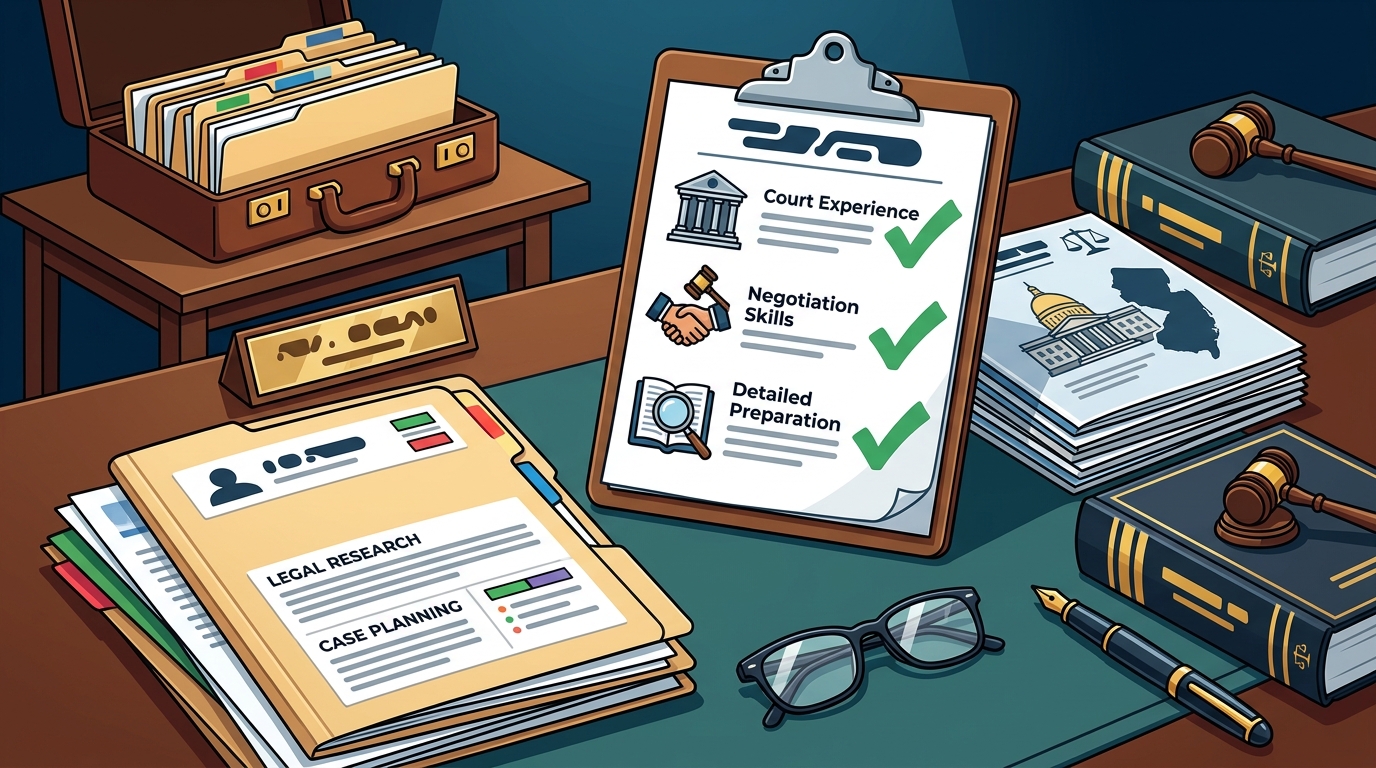
Assess Communication and Personal Attention
One of the most critical factors in selecting a criminal defense lawyer is their communication style and availability. Criminal cases move quickly, and delays can have severe consequences. You need an attorney who responds promptly to calls and emails and keeps you informed of every development.
During your initial interactions, pay attention to how the attorney listens. Do they ask detailed questions about your situation? Do they explain legal concepts in clear, understandable language? A good attorney will not only listen but also provide a preliminary assessment of your case, outlining potential defenses and strategies.
Crucially, determine who will actually handle your case. Some firms assign cases to junior associates or paralegals after the initial consultation. Ensure that the attorney you meet with will be the one managing your defense. Personal attention is vital in criminal defense, as the attorney’s direct involvement allows them to identify critical weaknesses in the state’s case, such as violations of constitutional rights during detention or investigation.
Schedule and Prepare for Consultation
Most reputable criminal defense attorneys offer a free or low-cost initial consultation. This meeting is your opportunity to interview the attorney and assess their fit for your case. Prepare a list of questions and bring all relevant documents, such as the complaint or summons.
Key questions to ask include:
- What is your experience with cases similar to mine?
- What is your strategy for my defense?
- How will you communicate with me throughout the process?
- What are the potential outcomes, and what are the associated risks?
- Who will be handling the day-to-day aspects of my case?
Use this consultation to gauge your comfort level with the attorney. You must trust your lawyer implicitly, as you will be sharing sensitive personal information. If you feel rushed or dismissed during the consultation, it is a sign to look elsewhere.
Review Fee Structures and Agreements
Criminal defense fees can vary widely based on the complexity of the case and the attorney’s experience. Understand the fee structure before retaining an attorney. Some charge a flat fee for the entire case, while others bill by the hour.
Ask for a detailed written fee agreement that outlines what is included in the cost. Ensure you understand what additional costs might arise, such as expert witness fees, investigation costs, or court filing fees. Transparency in billing is a hallmark of a professional and trustworthy attorney.
While cost is a factor, do not choose an attorney solely based on the lowest fee. Criminal defense is an investment in your future. A skilled attorney can save you from jail time, preserve your driving privileges, and protect your professional reputation, which often outweighs the initial legal costs.
Key Takeaways
- Specialization Matters: Choose an attorney who specializes in the specific type of charge you face, such as DUI or drug offenses.
- Verify Credentials: Look for board certification and active membership in organizations like the ACDL-NJ and NJ State Bar Association.
- Trial Experience: Prioritize attorneys with a proven track record of trial advocacy, as this strengthens negotiation leverage.
- Personal Attention: Ensure the attorney you meet with will personally handle your case, not delegate it to junior staff.
- Communication: Select an attorney who communicates clearly and responds promptly to your inquiries.
- Local Knowledge: An attorney familiar with your local municipal court and prosecutors can provide a strategic advantage.
- Clear Agreements: Obtain a detailed written fee agreement to avoid unexpected costs and ensure transparency.
Frequently Asked Questions
How much does a criminal defense lawyer cost in New Jersey?
The cost varies significantly based on the complexity of the case. Municipal court cases may range from a few thousand dollars, while serious indictable crimes can cost tens of thousands. Always request a detailed fee agreement during your consultation.
Can I represent myself in a New Jersey criminal case?
While you have the right to self-representation, it is highly discouraged. Criminal law is complex, and prosecutors are trained experts. An experienced attorney can identify procedural errors and constitutional violations that a layperson might miss.
What should I do if I am arrested in New Jersey?
Exercise your right to remain silent and ask for an attorney immediately. Do not discuss your case with police or prosecutors without legal representation. Contact a qualified criminal defense lawyer as soon as possible.
How do I find a board-certified criminal defense attorney?
You can search the New Jersey Supreme Court’s attorney registration database or contact the Association of Criminal Defense Lawyers of New Jersey for a list of certified members. Look for the "Criminal Trial Attorney" certification.
What is the difference between a municipal court lawyer and a superior court lawyer?
Municipal court lawyers handle disorderly persons offenses and ordinance violations, which are less severe. Superior court lawyers handle indictable crimes, which are felonies. Some attorneys practice in both courts, but specialization is key.
Will my lawyer handle my case personally?
This depends on the firm. Some large firms delegate cases to associates. It is crucial to ask during your consultation who will be managing your case to ensure you receive direct attention from an experienced attorney.
What are the consequences of a DUI conviction in New Jersey?
A DUI conviction can result in license suspension, fines, ignition interlock device requirements, and even jail time for repeat offenses. An experienced DUI defense lawyer can challenge the evidence to reduce or dismiss charges.
Take Action Now
Do not wait to secure legal representation. The sooner you engage an experienced criminal defense lawyer, the better positioned you are to protect your rights and achieve a favorable outcome. If you are facing criminal charges in New Jersey, contact the Law Office of Edward Appel today for a free consultation. Our team is dedicated to providing aggressive and personalized defense for clients across the state.
Click here to schedule your free consultation or call us at 856-856-2373. We are available 24/7 to assist you with your legal needs.