

Can a Lawyer Help Reduce Penalties for Municipal Court Offenses?
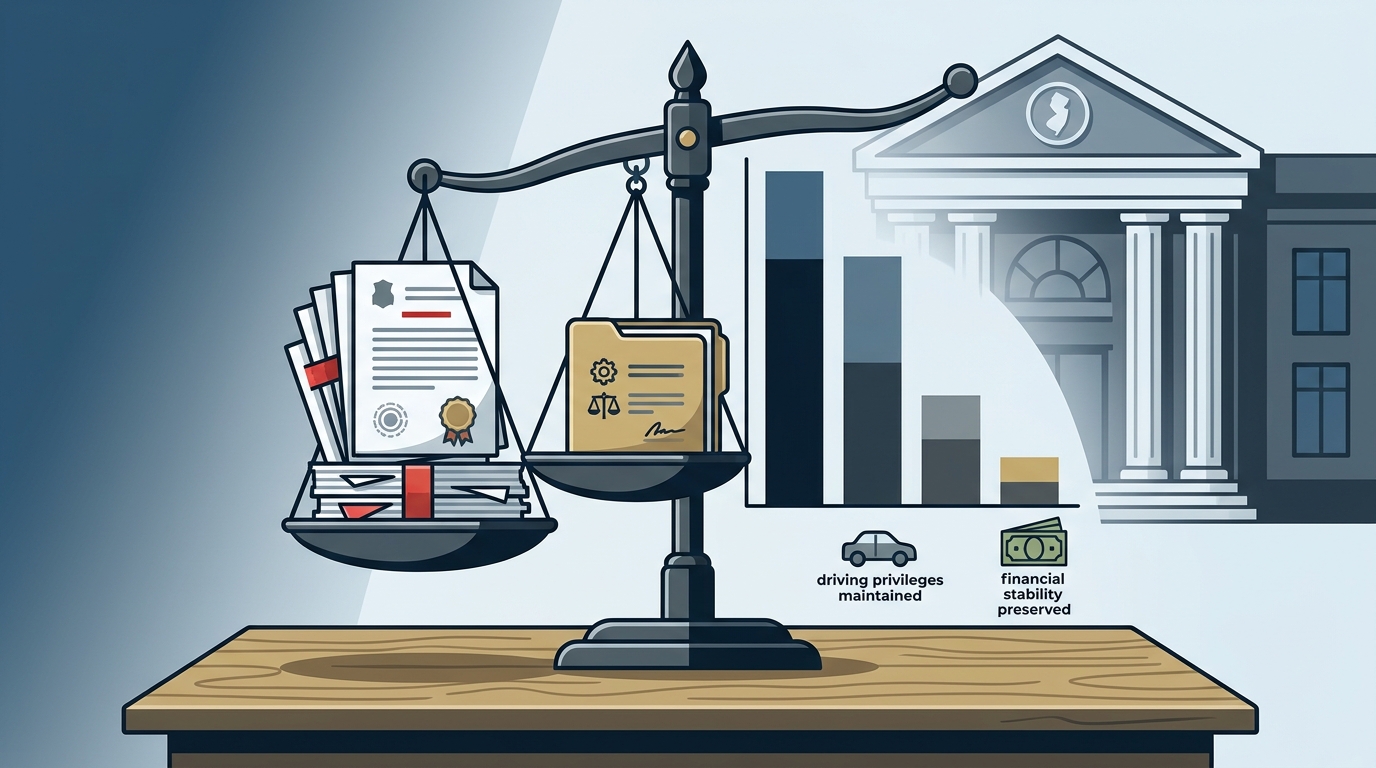
Municipal court offenses often carry consequences that far exceed the initial fine. According to recent legal analyses, the majority of defendants who proceed without counsel face harsher sentencing outcomes compared to those represented by legal professionals. This disparity highlights the critical role of legal advocacy in navigating the complex web of local ordinances and state statutes. Understanding how to mitigate these penalties is essential for protecting your driving record, professional license, and financial stability. (Contact Us)
Understanding Municipal Court Dynamics
Municipal courts operate differently from state or federal courts. They handle a high volume of cases involving local ordinance violations, traffic infractions, and minor criminal offenses. The judges in these courts are often overwhelmed with dockets, which can lead to a rushed judicial process. Without a knowledgeable advocate, defendants may inadvertently waive their rights or accept unfavorable plea deals.
A municipal court offense is a violation of local laws enforced by city or township governments. These offenses range from speeding tickets to disorderly conduct charges. The procedural rules in these courts are strict, and missing a deadline or failing to appear can result in immediate license suspension or additional warrants.
Legal representation provides a buffer against these procedural pitfalls. An experienced attorney understands the local judges and prosecutors, allowing them to negotiate more effectively. This familiarity can be the difference between a simple fine and a conviction that impacts your future.
Common Penalties and Long-Term Impacts
The immediate penalty for a municipal court offense is often just the beginning. The long-term consequences can be severe and far-reaching. For instance, points added to your driving record can lead to increased insurance premiums that last for years. In New Jersey, accumulating too many points can result in license suspension.
According to data from the Insurance Research Council, drivers with a single moving violation see an average increase in auto insurance rates of 20 to 30 percent. This financial burden compounds over time, making penalty reduction a critical financial goal. Furthermore, certain convictions can affect professional licensing, particularly in fields like healthcare, education, and finance.
Other common penalties include court costs, surcharges, and mandatory classes. For example, a DWI conviction in New Jersey requires the installation of an ignition interlock device. The cost of this device and the associated monitoring fees can add thousands of dollars to the total penalty. Reducing these penalties requires a strategic legal approach.
Legal Strategies for Penalty Reduction
There are several proven strategies that attorneys use to reduce penalties in municipal court. One common approach is negotiating a plea to a lesser charge. This might involve pleading to a non-moving violation, which does not add points to your driving record. This strategy is particularly effective for first-time offenders.
Another strategy is challenging the evidence. Police reports are not infallible. An attorney can scrutinize the officer's notes, the calibration of speed detection devices, and the legality of the traffic stop. If procedural errors are found, the case may be dismissed or the penalties significantly reduced.
Diversion programs are also available for certain offenses. These programs allow defendants to complete community service or educational courses in exchange for having the charge dismissed. Eligibility depends on the nature of the offense and the defendant's criminal history. A lawyer can help determine if you qualify for these beneficial programs.
Negotiation Tactics
Effective negotiation relies on building rapport with the prosecutor. Attorneys who are known for their professionalism and thoroughness often find it easier to secure favorable outcomes. They can present mitigating factors, such as a clean record or community involvement, to argue for leniency.
Trial Preparation
While most cases are resolved through negotiation, some require a trial. In these instances, preparation is key. An attorney will prepare witnesses, cross-examine police officers, and present legal arguments to the judge. The goal is to create reasonable doubt or highlight legal errors that favor the defendant.
Specifics of Traffic and DWI Offenses
Traffic offenses are the most common municipal court cases. Speeding, running a red light, and reckless driving are frequent charges. Each of these carries specific penalties under state law. For example, speeding in a school zone carries heavier fines and more points than speeding on a highway.
DWI (Driving While Intoxicated) offenses are more serious and carry harsher penalties. In New Jersey, DWI laws are strict, with mandatory minimum sentences for certain blood alcohol concentration levels. However, even in DWI cases, a lawyer can help reduce penalties by challenging the validity of the breath test or the arrest procedure.
According to the National Highway Traffic Safety Administration, impaired driving arrests account for a significant portion of municipal court dockets. The legal landscape for these cases is complex, requiring specialized knowledge. A lawyer who specializes in DWI defense can navigate these complexities to protect your rights.
Choosing the Right Legal Representation
Selecting the right attorney is crucial for achieving a favorable outcome. You should look for a lawyer with experience in municipal court specifically. General practitioners may not have the same level of familiarity with local judges and procedures.
Check the attorney's track record. Do they have a history of successful negotiations? Have they handled cases similar to yours? Experience in the specific municipality where your case is filed is also valuable, as local knowledge can provide a strategic advantage.
At NJ Criminal Help, we specialize in defending clients against municipal court offenses. Our team understands the nuances of New Jersey law and works tirelessly to reduce penalties and protect our clients' futures. Visit our homepage to learn more about our services and how we can assist you.
Service Areas
We serve clients across New Jersey, including Bergen County, Essex County, and Hudson County. Our attorneys are familiar with the courts in these regions and can provide effective representation regardless of where your case is heard. Explore our services page to see the full range of offenses we handle.
Comparison of Defense Options
| Defense Strategy | Best For | Potential Outcome | Complexity |
|---|---|---|---|
| Plea Negotiation | First-time offenders | Reduced charges or points | Low |
| Evidence Challenge | Procedural errors | Dismissal or acquittal | High |
| Diversion Program | Eligible first-time offenders | Charge dismissal | Medium |
| Trial | Strong defense cases | Acquittal or reduced sentence | Very High |
Key Takeaways
- Municipal court offenses can have long-lasting financial and professional consequences beyond the initial fine.
- Legal representation significantly increases the likelihood of reduced penalties or dismissed charges.
- Negotiating a plea to a non-moving violation can protect your driving record and insurance rates.
- Challenging the evidence, such as speed detection calibration, can lead to case dismissal.
- Diversion programs offer a path to charge dismissal for eligible first-time offenders.
- DWI cases require specialized legal expertise due to strict statutory penalties.
- Local knowledge of judges and prosecutors is a valuable asset in municipal court.
Frequently Asked Questions
Can a lawyer get my municipal court charge dismissed?
Yes, a lawyer can often get charges dismissed by identifying procedural errors or challenging the validity of the evidence. Success depends on the specifics of the case and the strength of the defense.
How much does it cost to hire a lawyer for municipal court?
Costs vary based on the complexity of the case and the attorney's experience. Many firms offer flat fees for standard offenses. Contact NJ Criminal Help for a consultation and fee estimate.
Will hiring a lawyer prevent my license from being suspended?
An attorney can work to prevent suspension by negotiating point reductions or securing diversion program eligibility. However, mandatory suspensions for certain offenses may still apply.
What is the difference between municipal court and criminal court?
Municipal court handles local ordinance violations and minor offenses, while criminal court handles more serious crimes. Municipal court cases are generally resolved more quickly but still require careful legal attention.
Can I represent myself in municipal court?
You can represent yourself, but it is not recommended. The legal system is complex, and mistakes can lead to harsher penalties. Professional representation ensures your rights are protected.
How long does a municipal court case take?
Most cases are resolved within a few months. However, complex cases or those requiring trials may take longer. An attorney can help expedite the process where possible.
Take Control of Your Case Today
Do not face municipal court penalties alone. The stakes are too high, and the consequences too severe. Contact NJ Criminal Help today to schedule a consultation. Our experienced attorneys are ready to fight for your rights and help you achieve the best possible outcome. Protect your future by securing professional legal representation now.